Missionary
Shreveport, Louisiana, 2014 to 2016




Possessions and Place
The Church transfers missionaries every six weeks to six months. An elder starts to learn a city’s streets and its people, and then he is sent somewhere new.
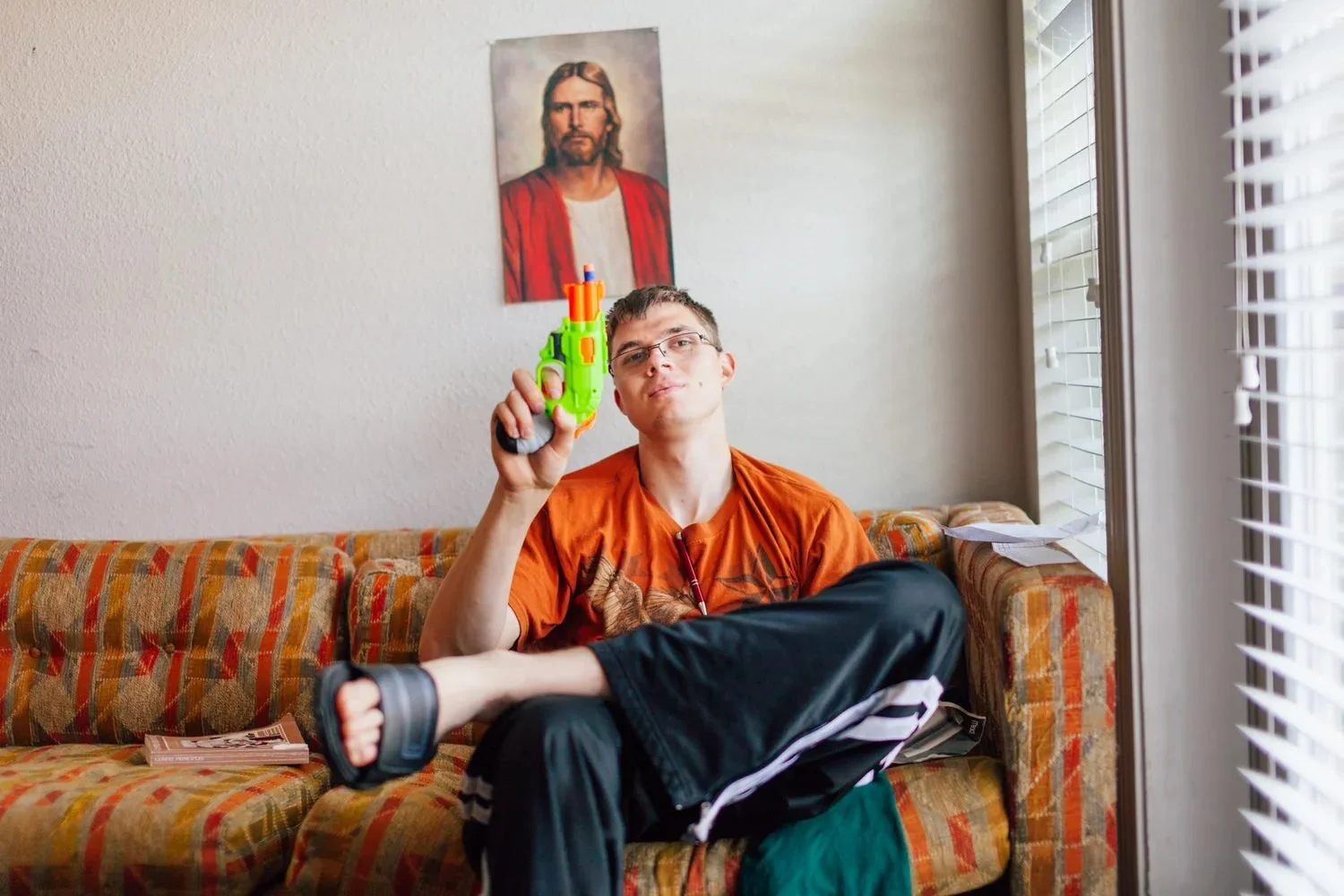
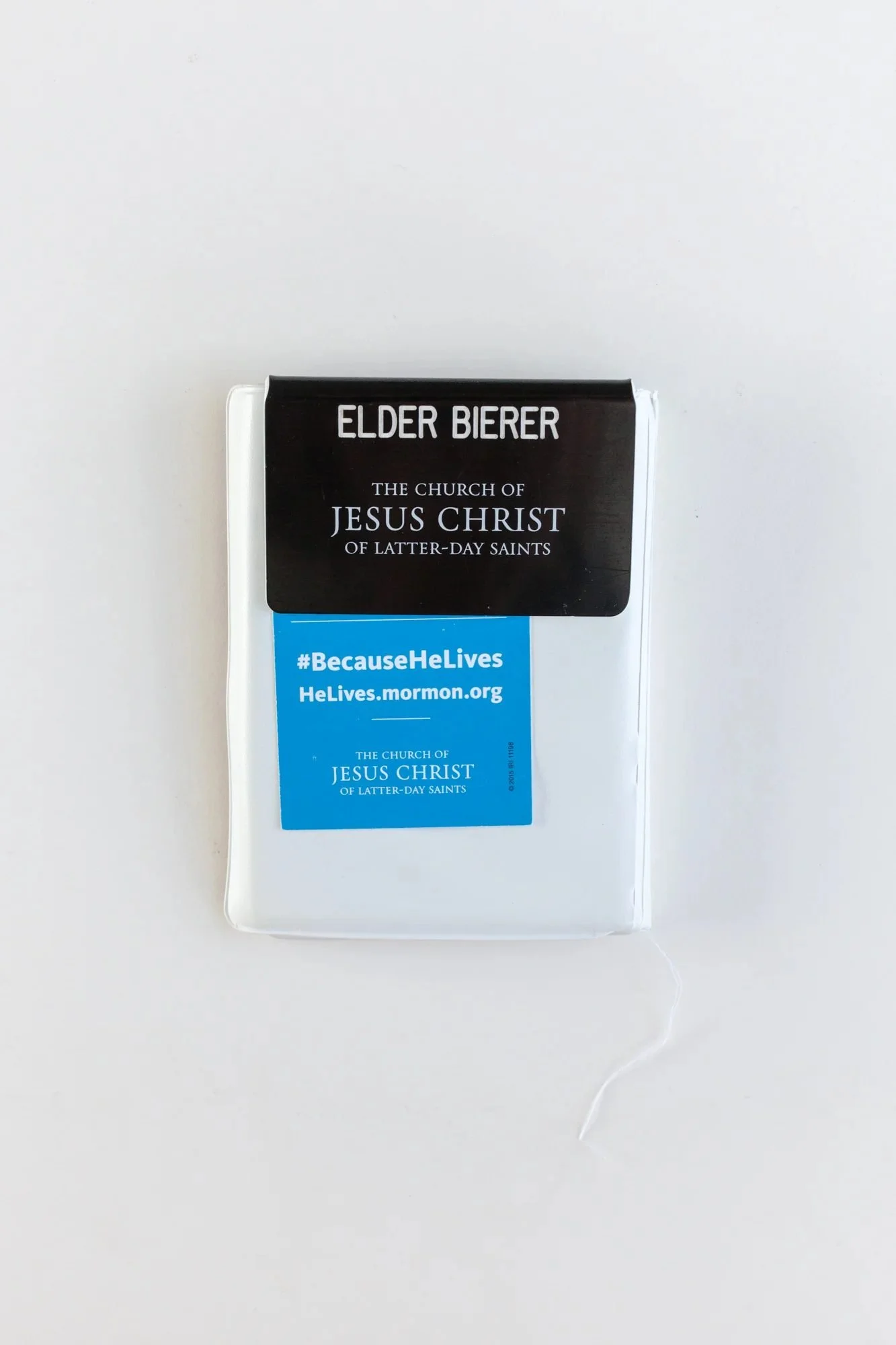
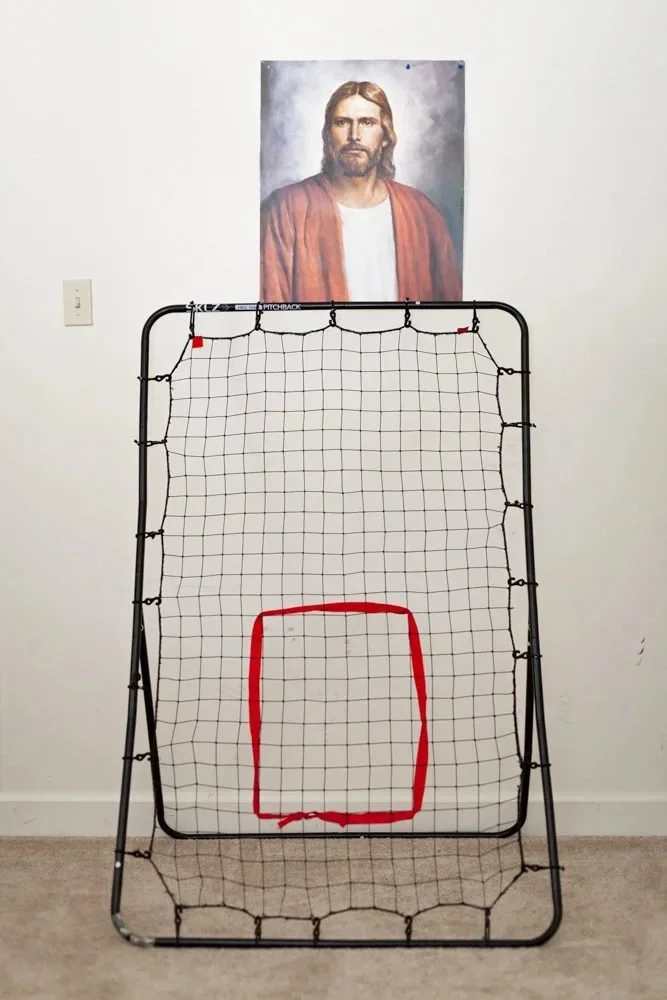
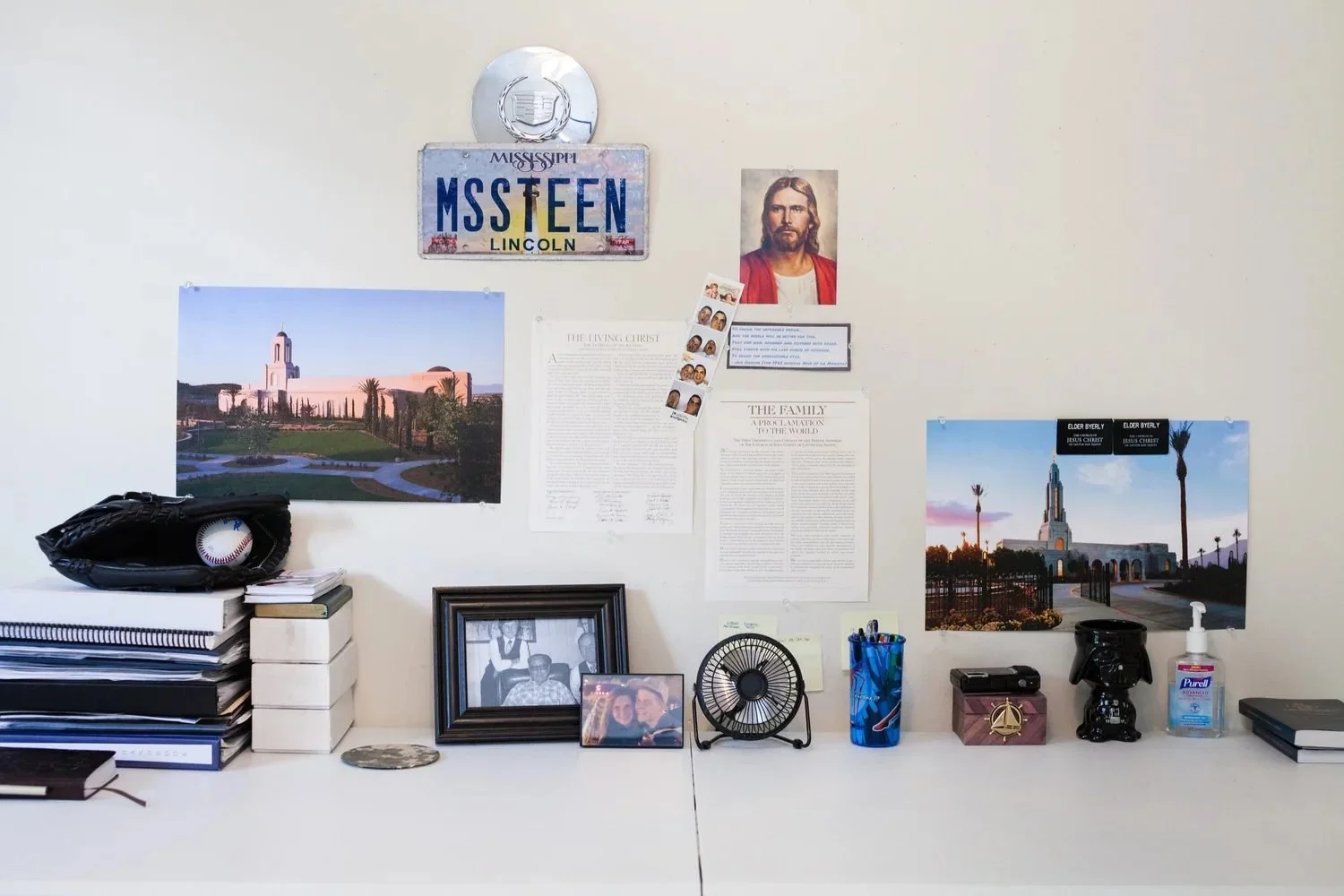
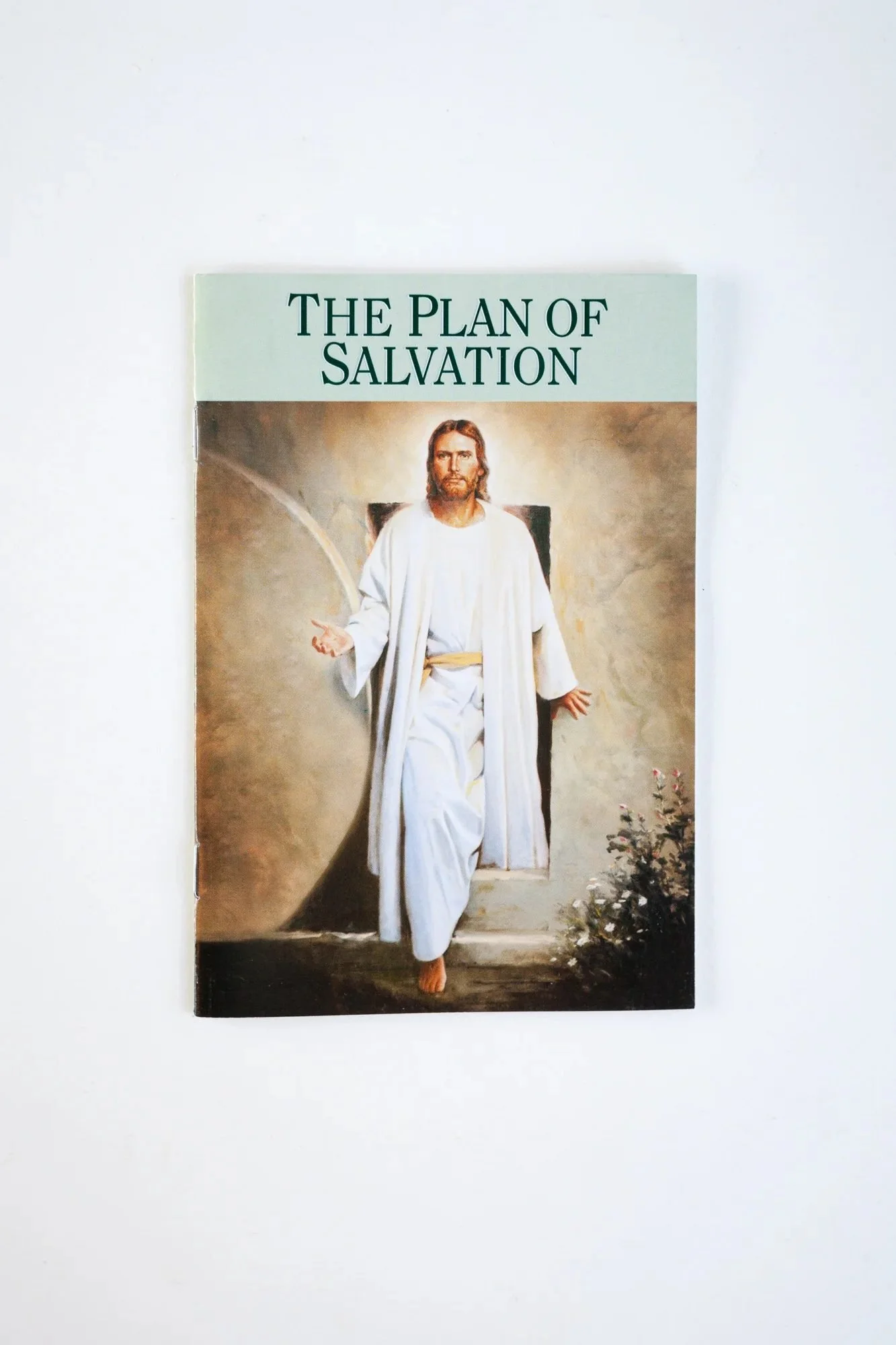
Missionaries move every few months, so their apartments hold almost nothing of their own: no real decor, mostly hand-me-downs left by the elders before them. What they do put on the walls says a lot.
These photographs stay with the rooms they lived in: beige living rooms, plain bedrooms, religious posters, and a few things from pop culture. In Elder Byerly’s room, a Spider-Man clock sat on the nightstand. Their things took me back to the missionaries I knew as a boy.
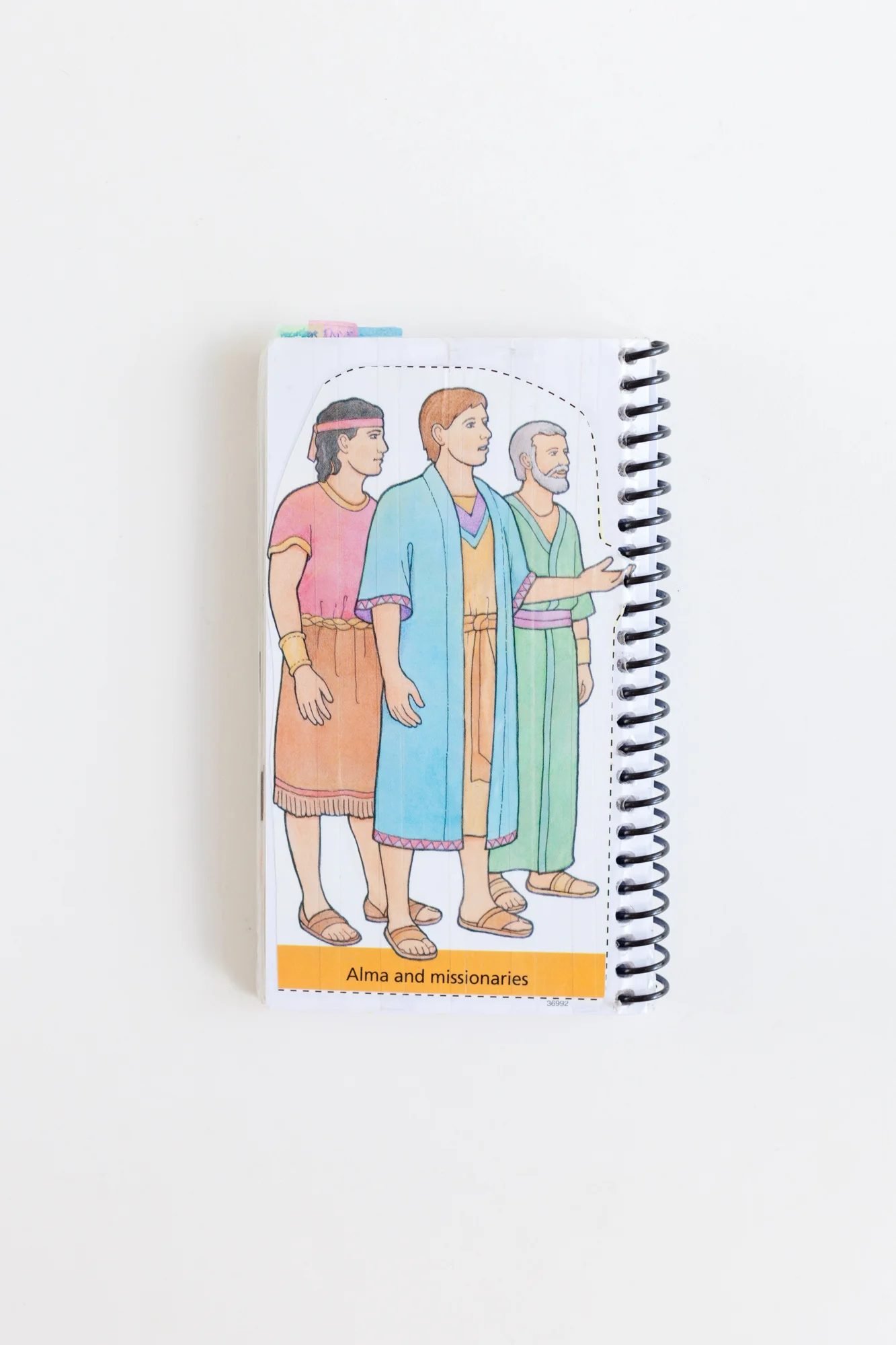
Some things stay behind. A trainer calls the new elder he trains his “son” and often leaves him what missionaries call a posterity gift. Elder Byerly planned to pass his on to Elder Bennett once Bennett’s training was done. With each transfer I had to get to know strangers again, as one group of elders left and a new one took its place.



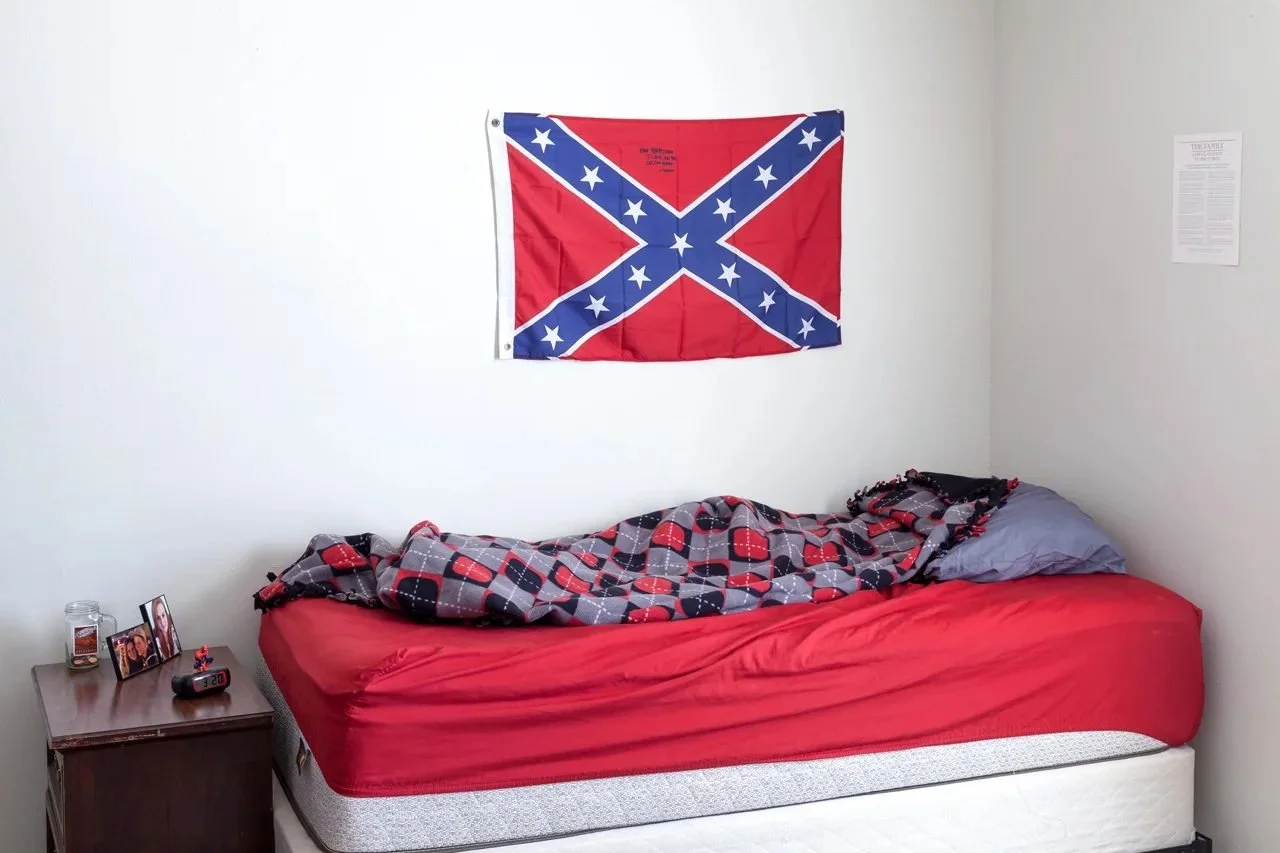
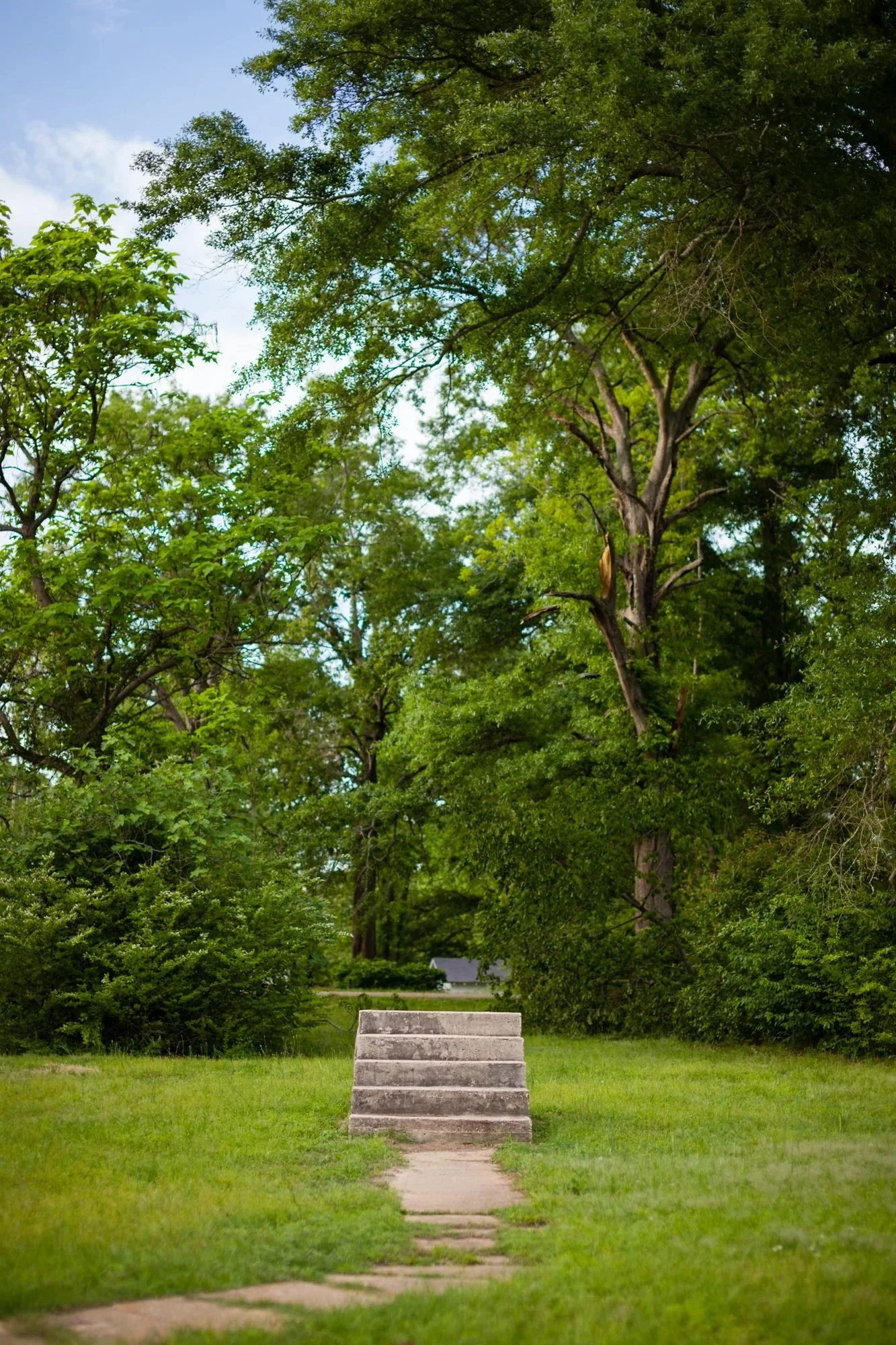





Elder Byerly’s Room, Shreveport, Louisiana, 2015. The flag was a gift from his trainer, passed down from one Utah missionary to the next without much sense of what it means in the South. It hangs near photos of two different girlfriends and a copy of “The Family: A Proclamation to the World,” the Church’s statement on family and covenants.
Collaborative Photographs
I gave some of the elders point-and-shoot cameras and asked them to photograph their own surroundings, the parts of mission life I didn’t see.
I wasn’t there when these pictures were made, and that is why they matter to me. They show a part of mission life that would have looked different with me in the room. I think of them as a collaboration between me and these young men.
They come back to the question behind the whole project. What do these young men gain from two years of service? Are they learning to solve problems and adapt to places far from the community they grew up in? And what does a mission give them beyond preparing them for a lifelong commitment to the Church?
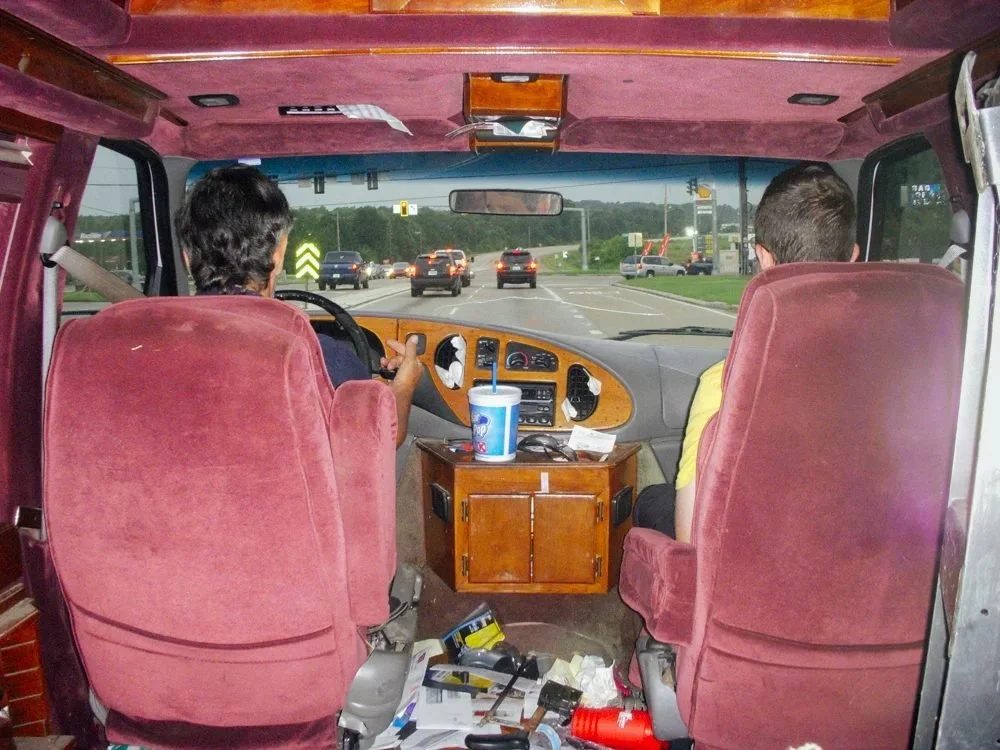
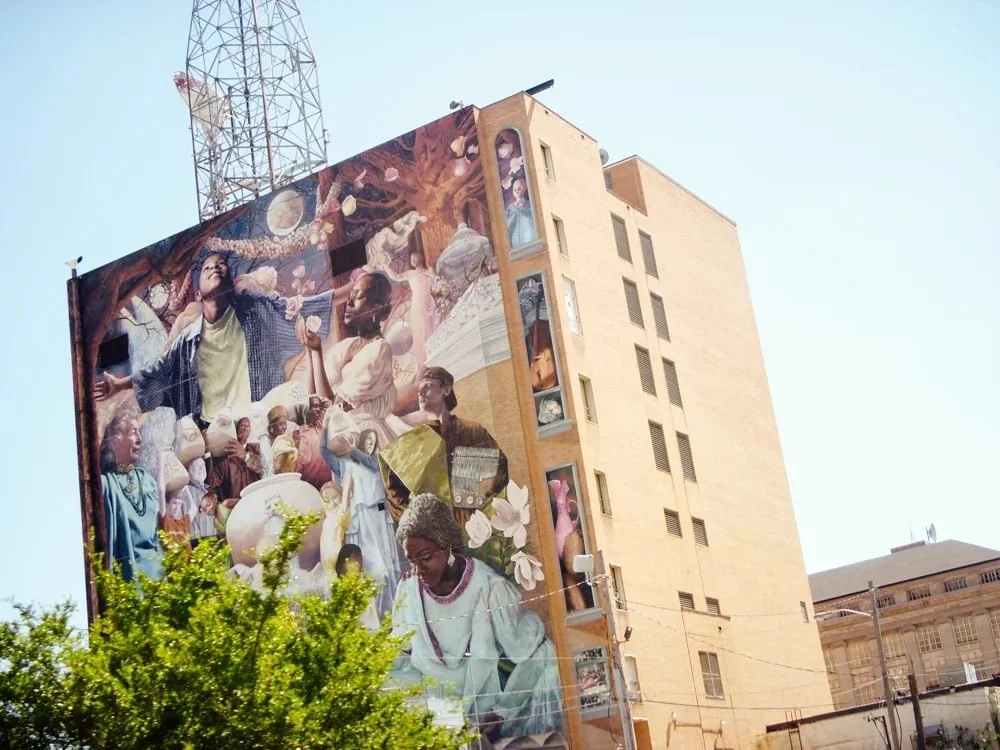

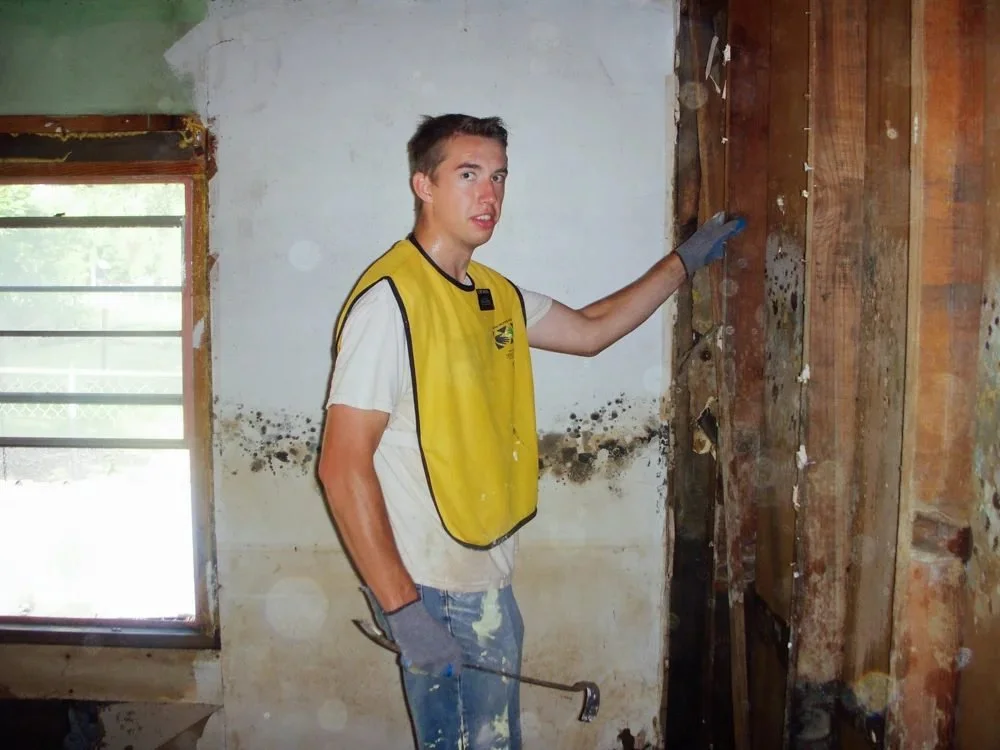
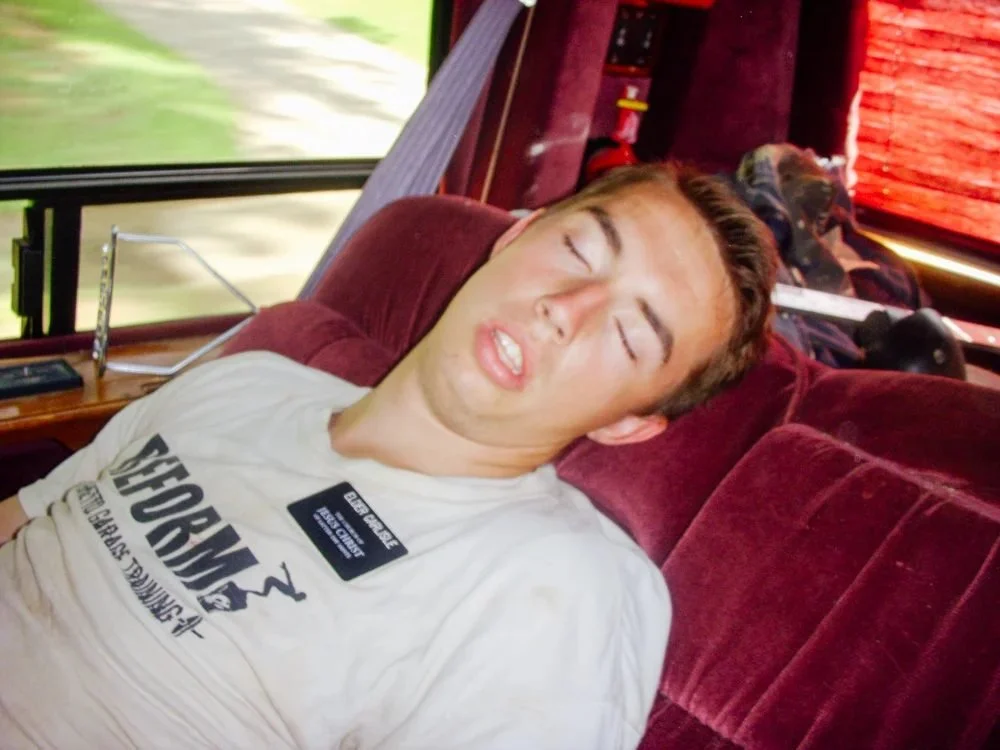

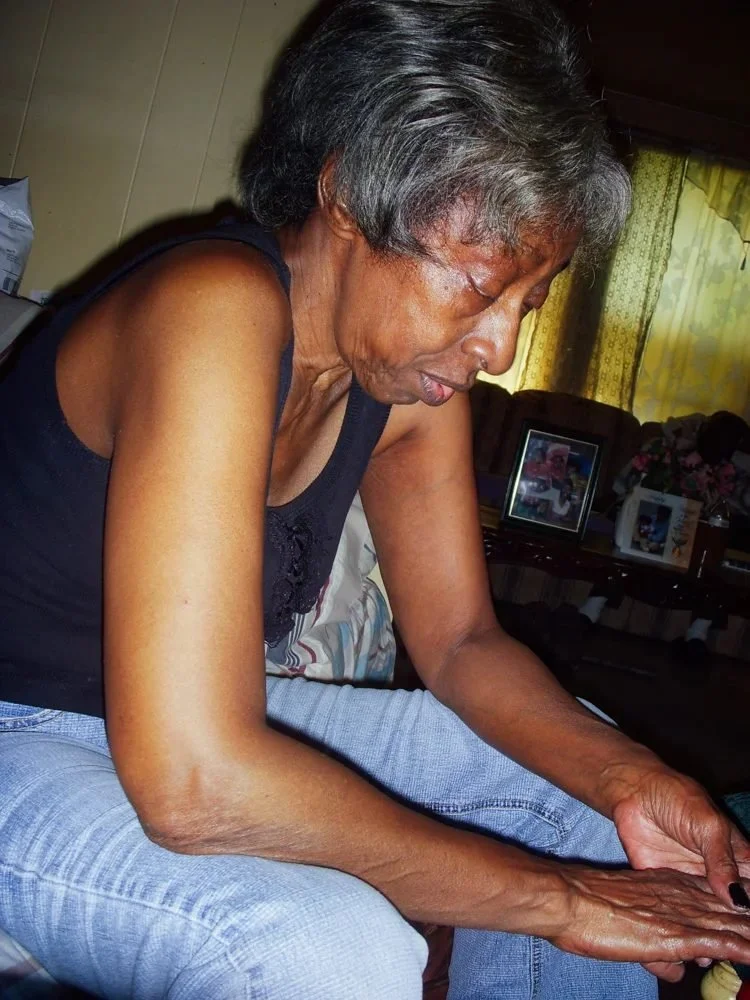

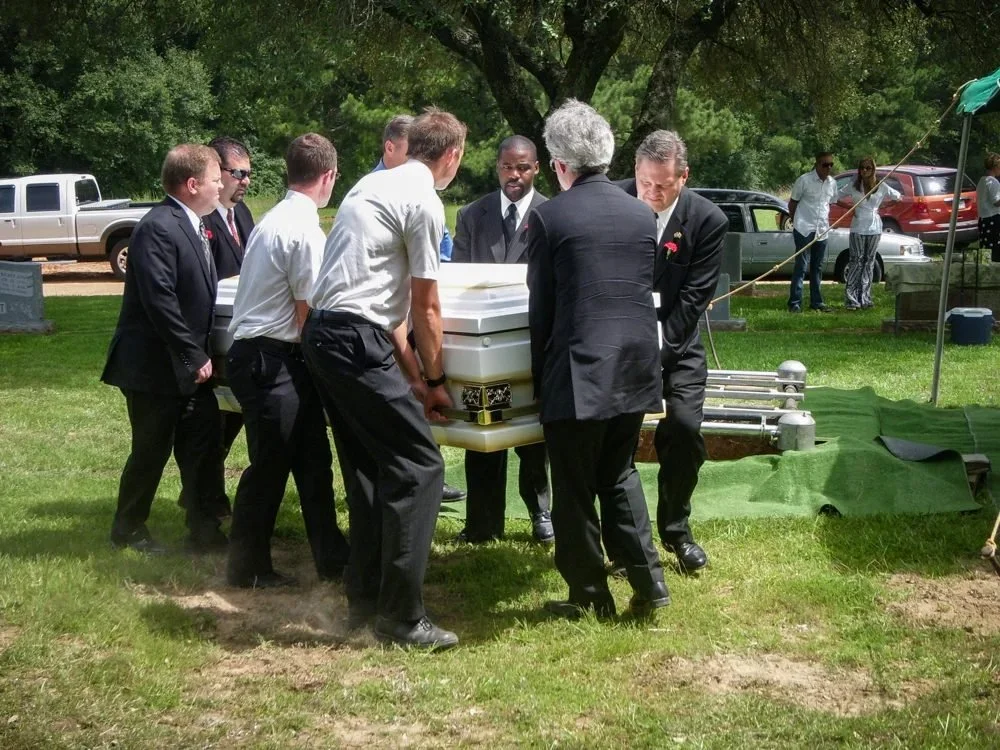
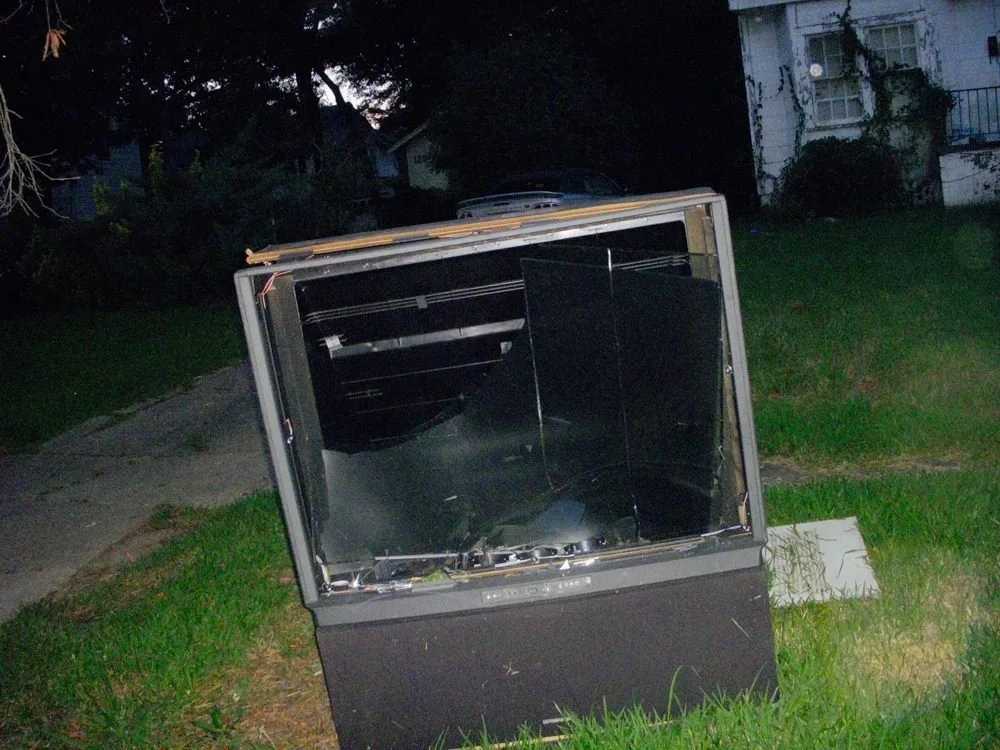

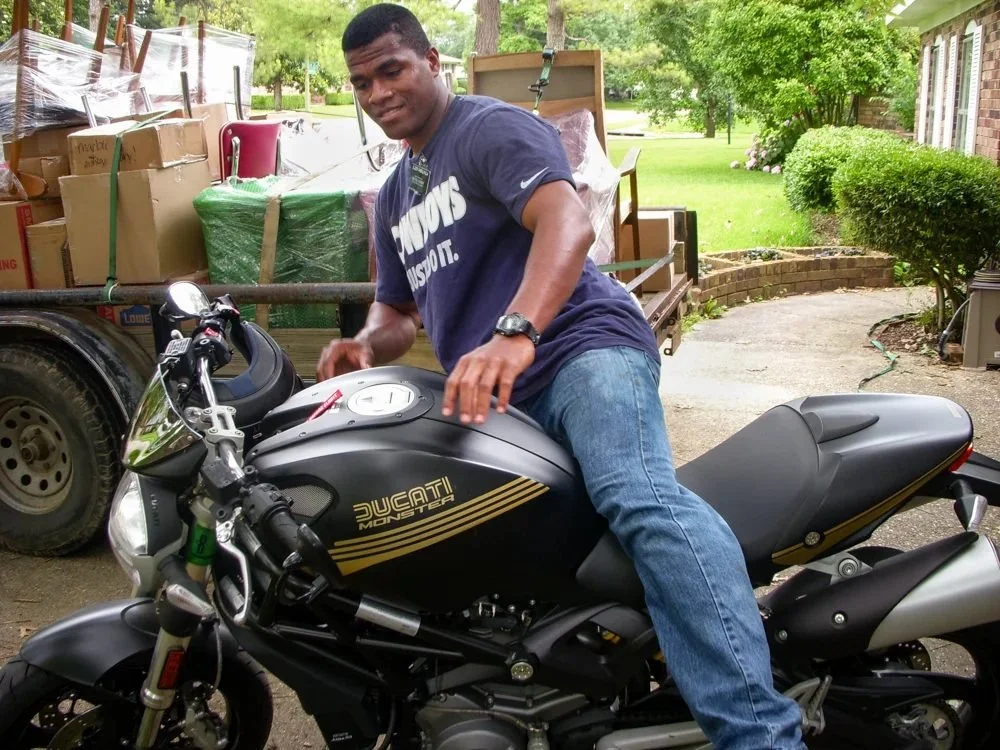



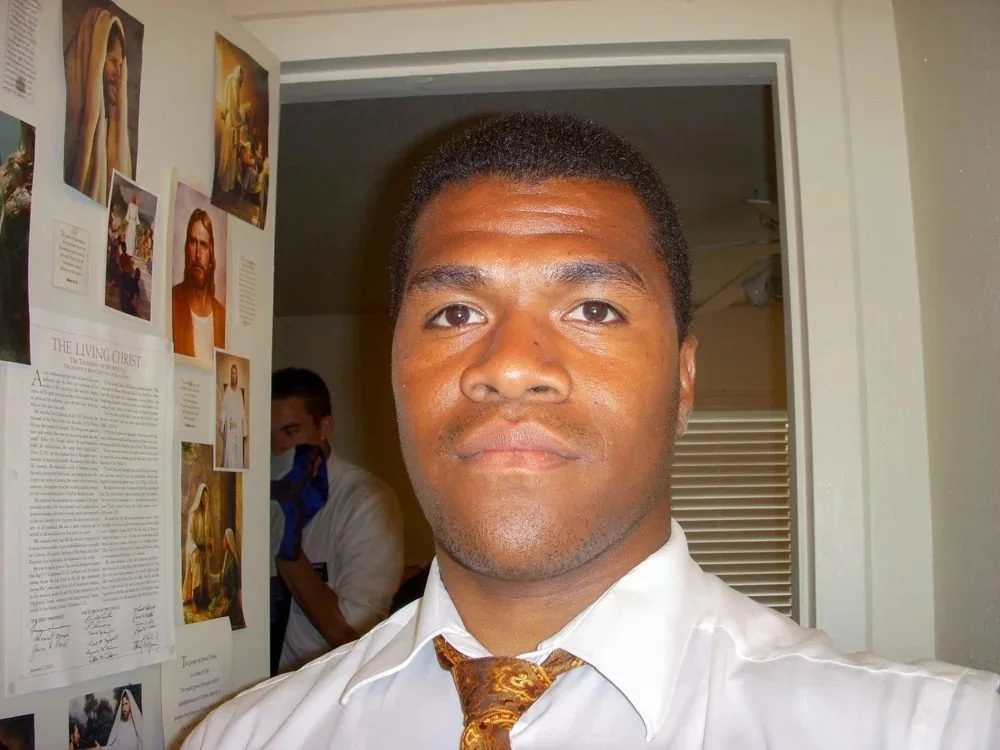
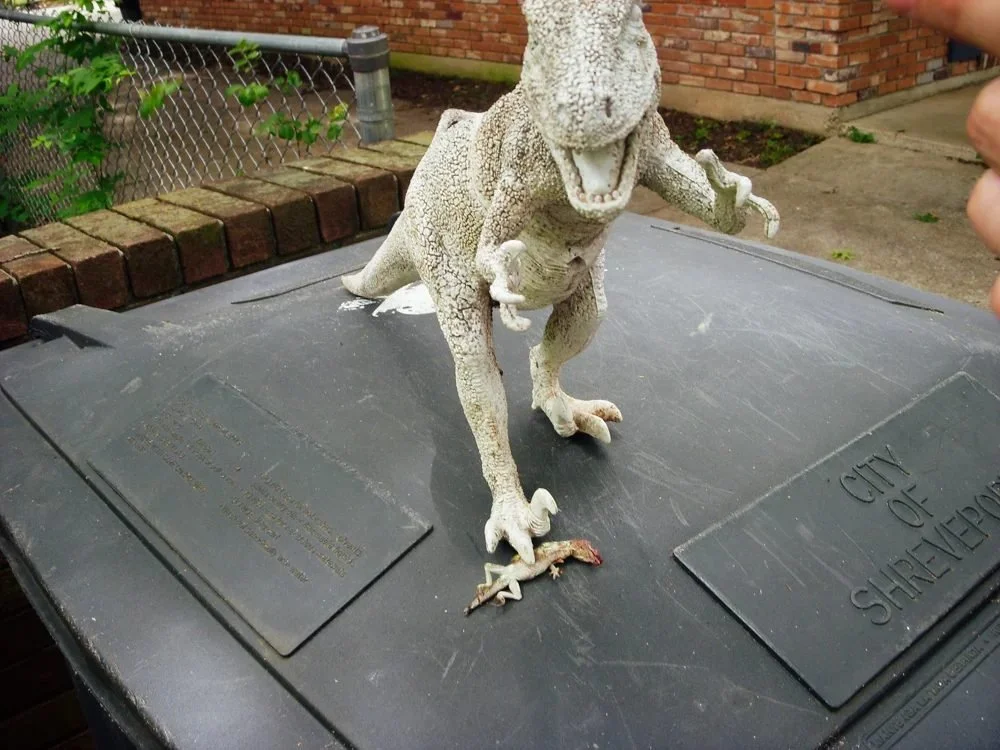
When I moved to Shreveport, Louisiana, in 2014, I felt out of place. Then I crossed paths with a set of young Mormon missionaries living in my apartment complex. They were struggling with the same displacement, only more of it. I was raised in the Church, and I knew their world: eighteen years old, far from home, trying to live up to what their families and the Church expected of them.
The work grew in three directions: portraits of the elders, the apartments they live in between transfers, and pictures they made themselves. In 2017 the Masur Museum of Art in Monroe showed a video installation from the project.
Spending time with these young men made me reconsider the traditions that shaped me. Faith and uncertainty became a teeter-totter, tipping between how I was raised and what I actually believe.
Portraits
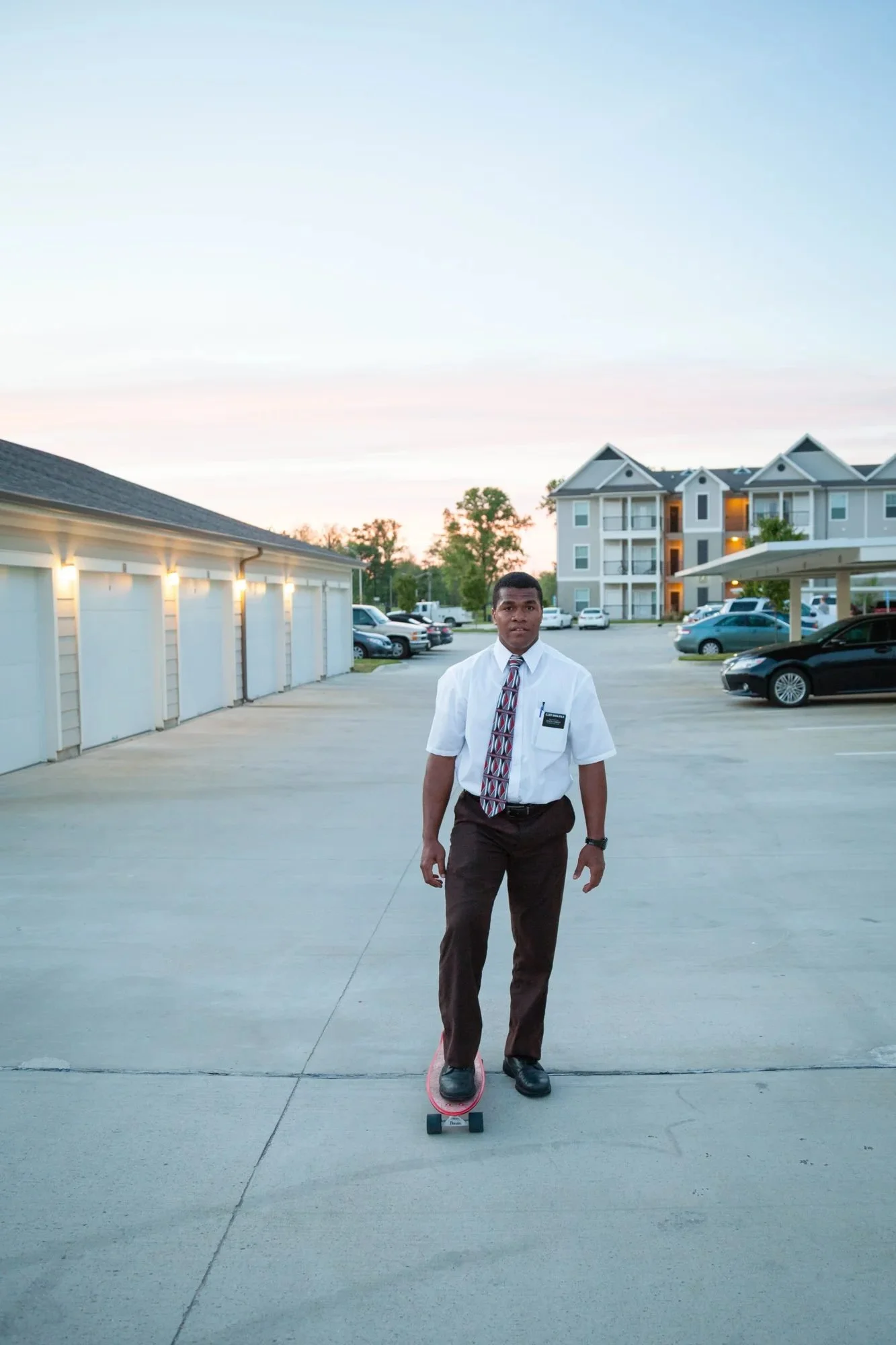
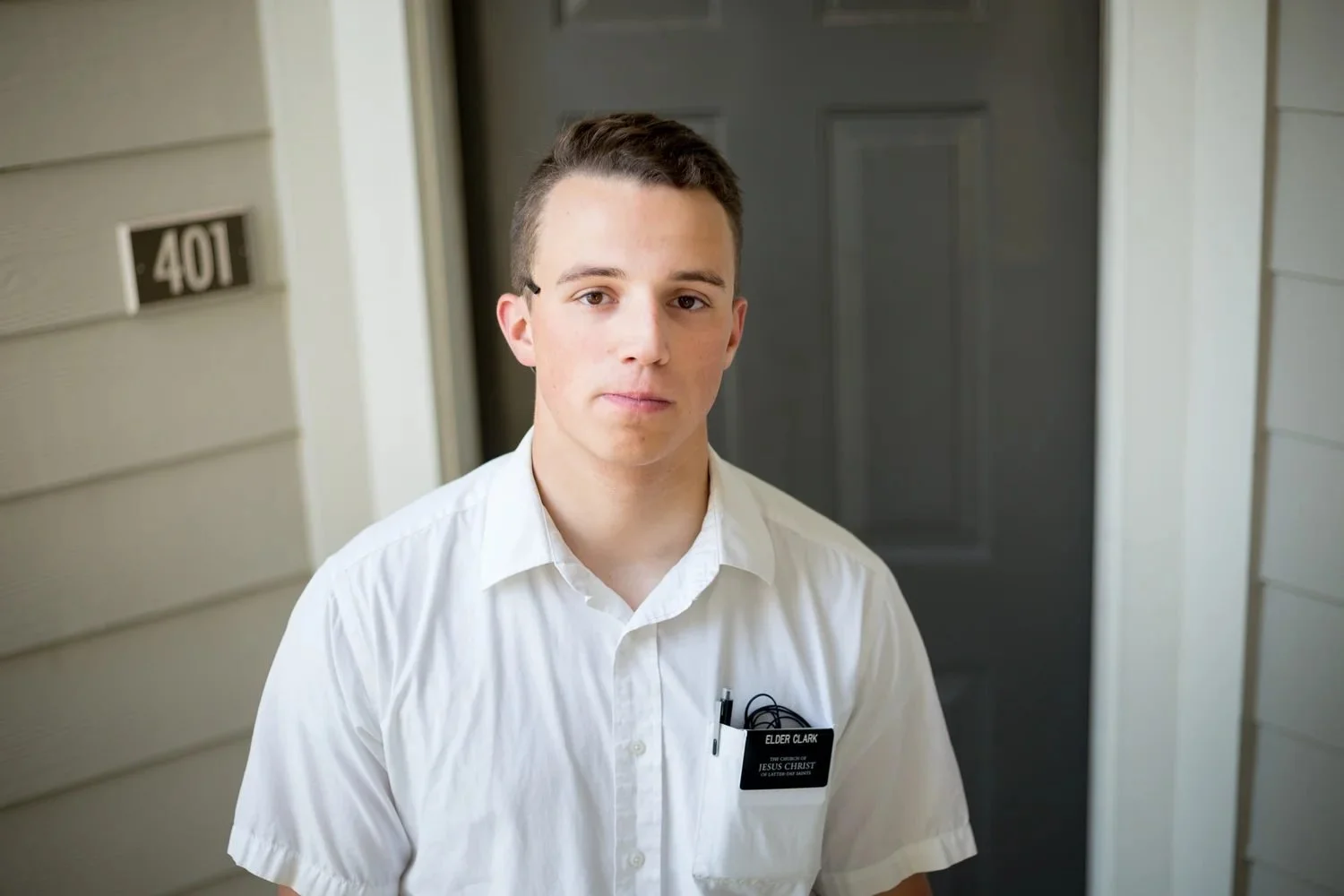
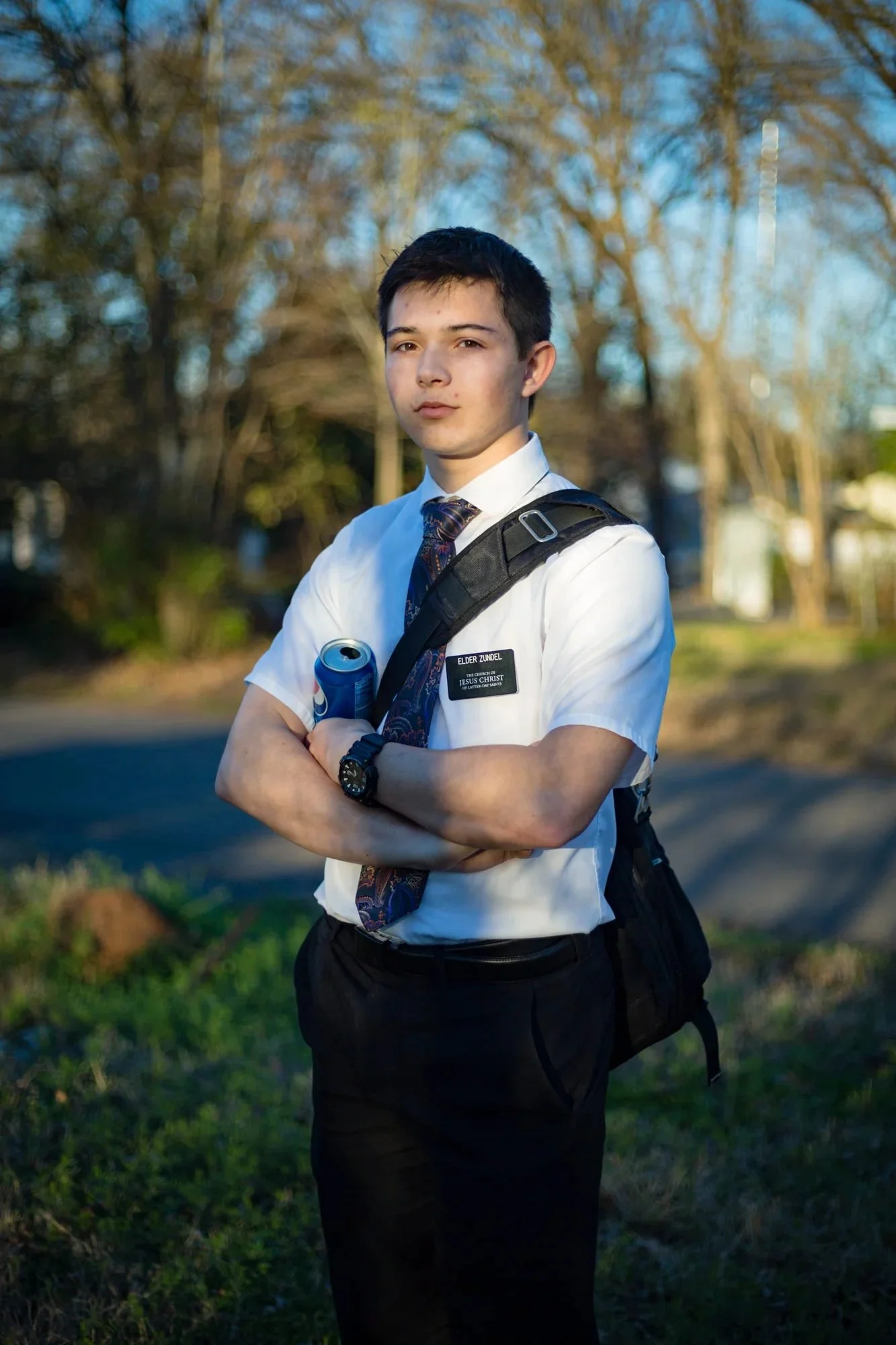
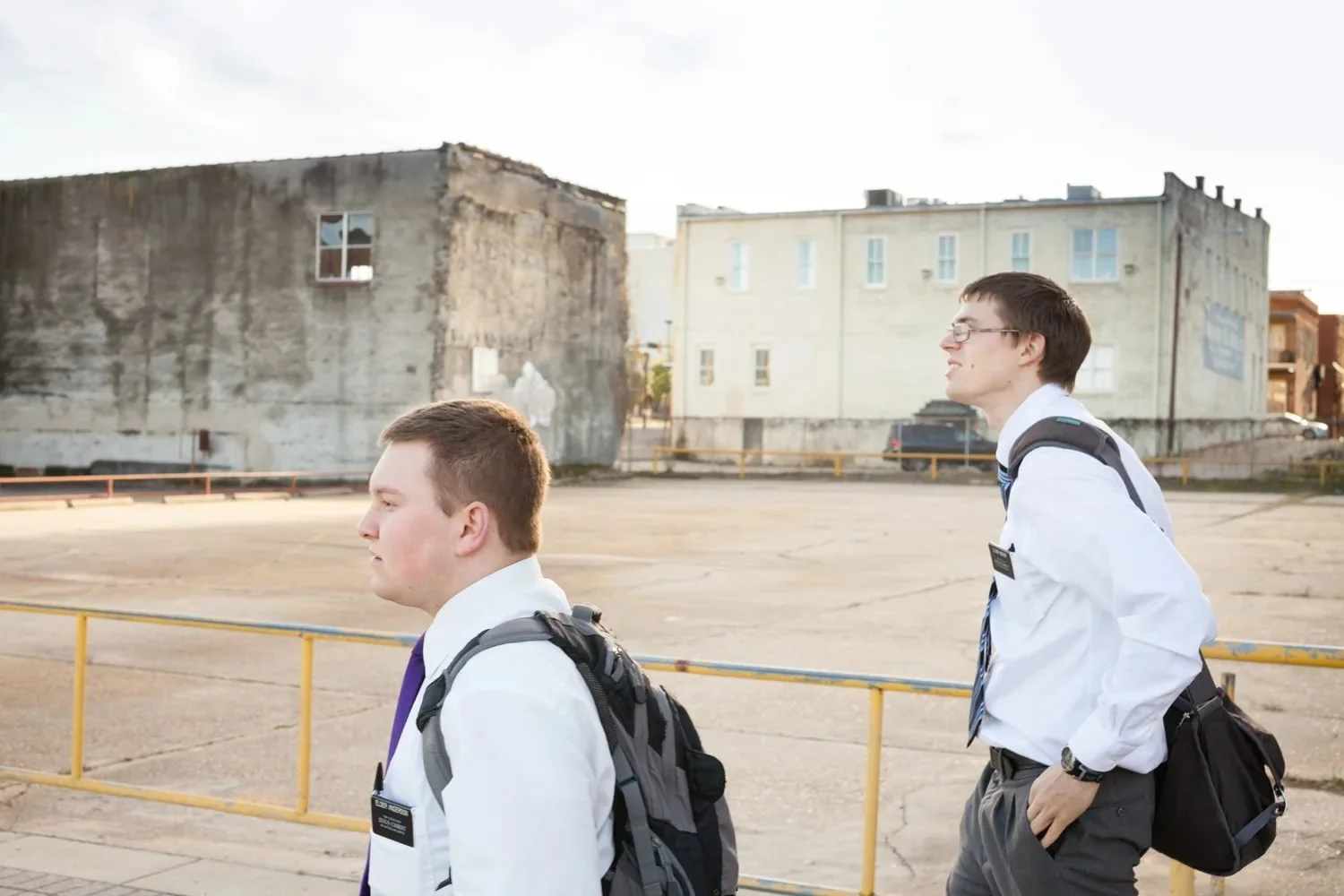
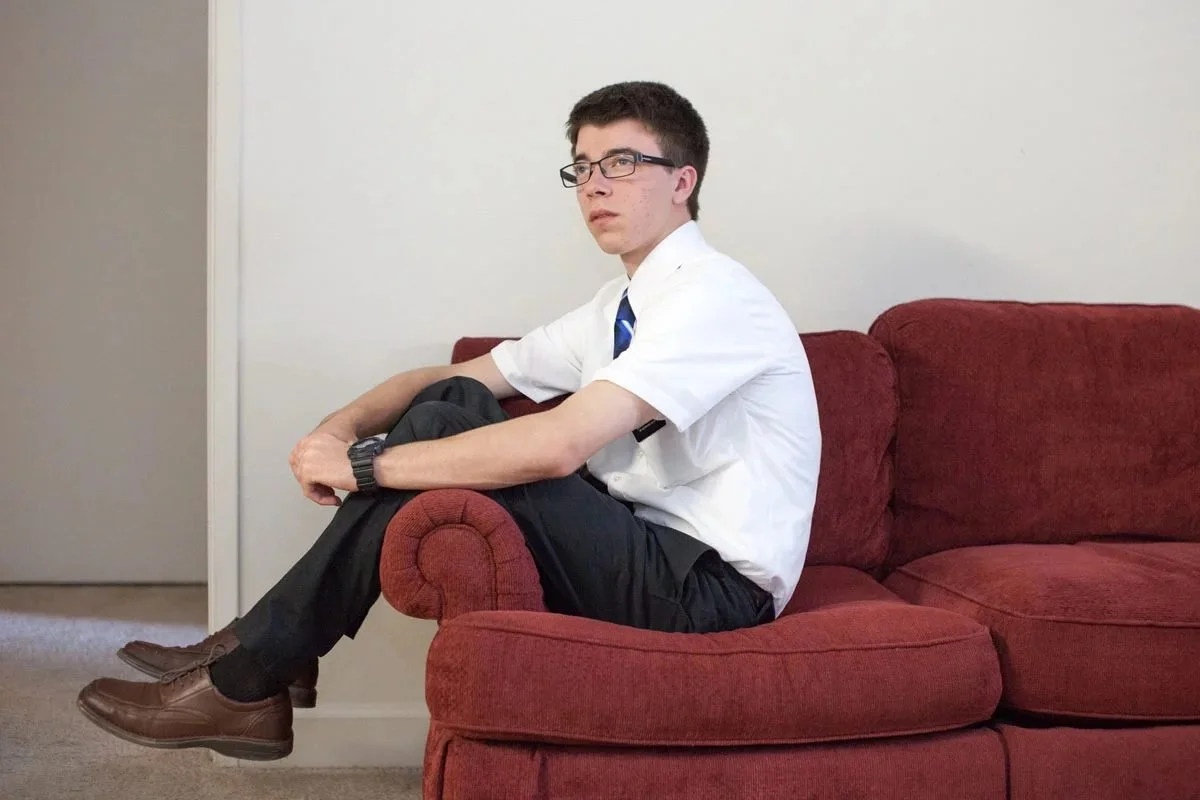
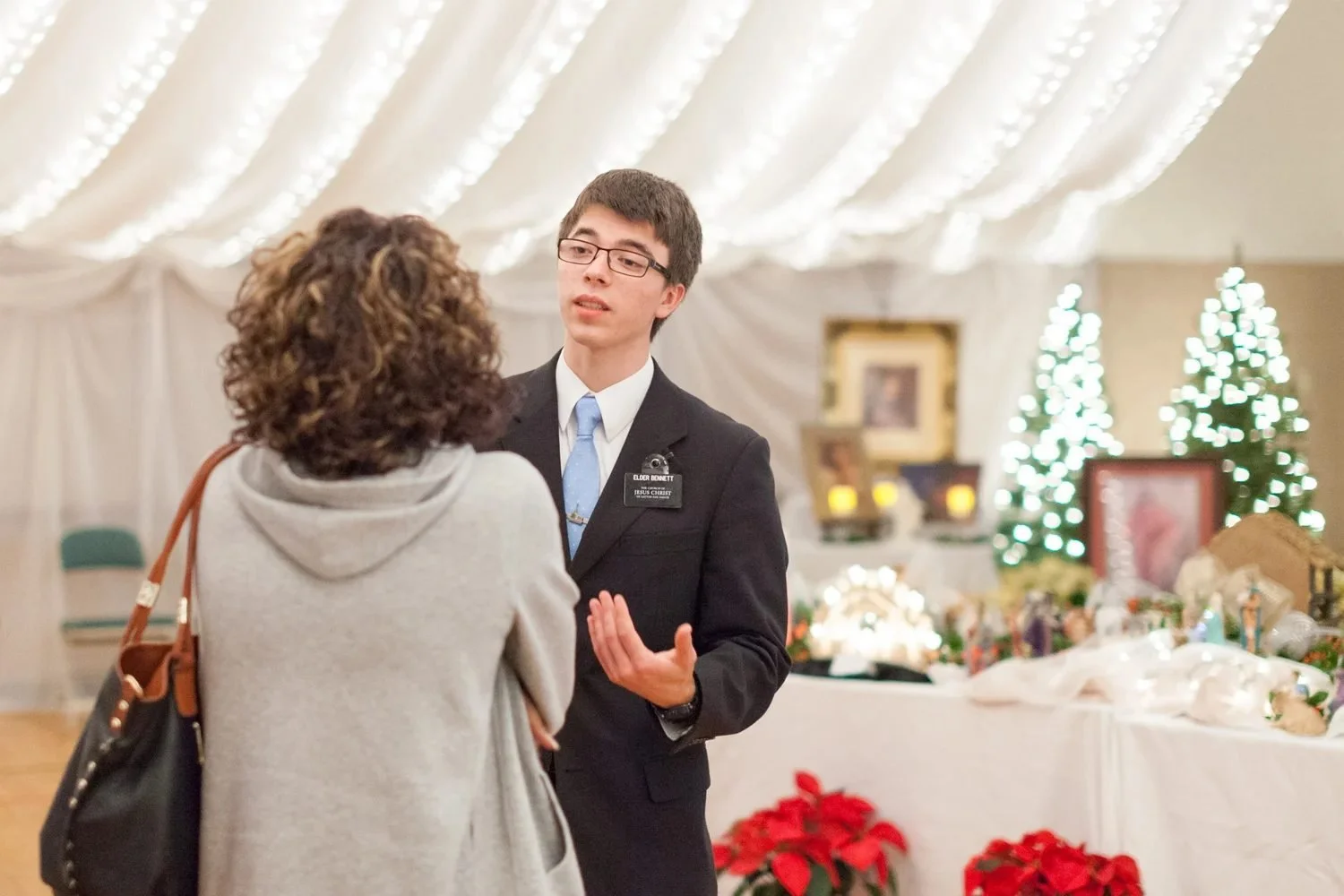
Most Mormon elders are eighteen when they leave home for two years. People usually see them in white shirts and ties, knocking on doors or riding bicycles through a neighborhood, and most conversations with them happen between a front porch and a screen door. I wanted to see the rest of their day.
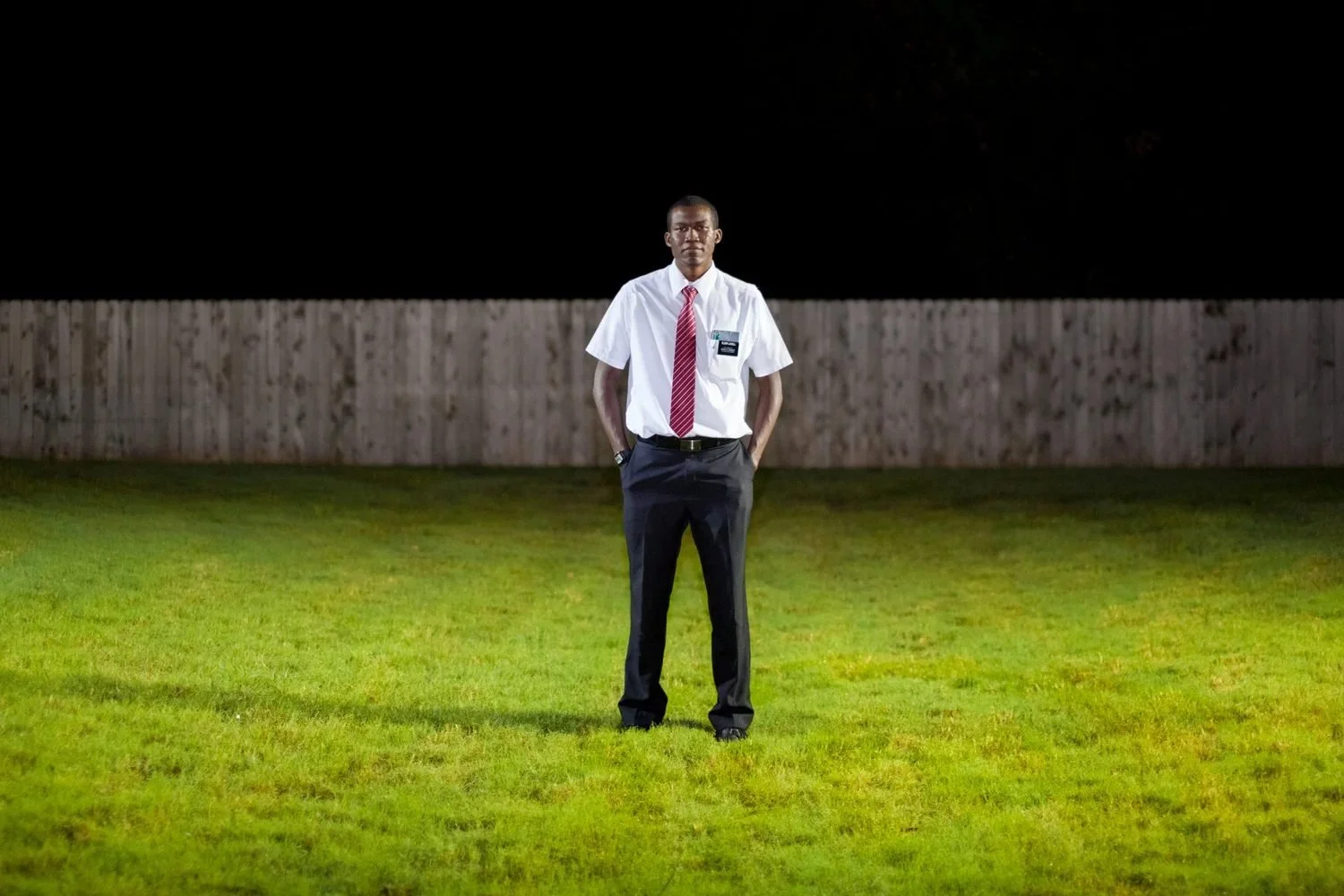
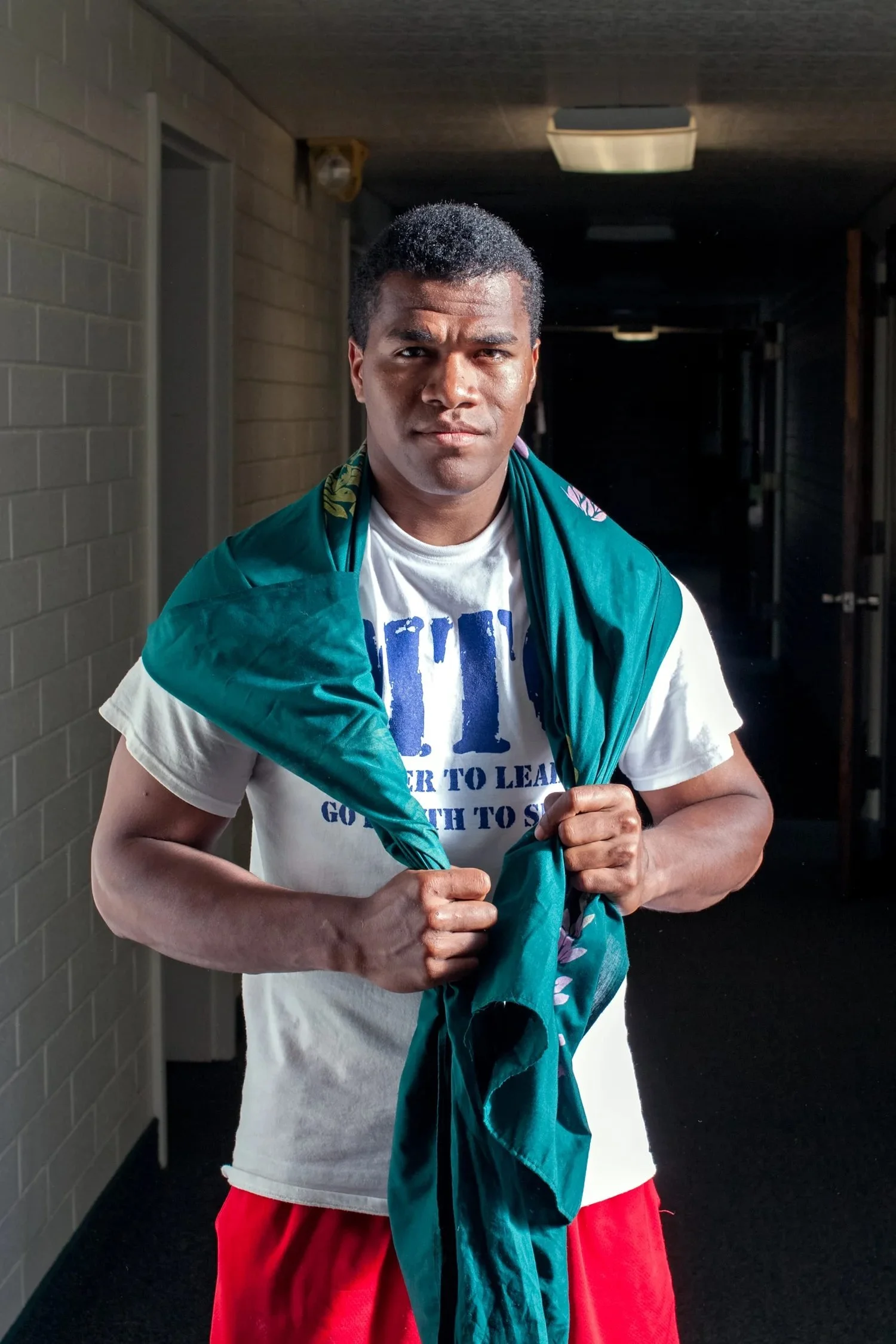
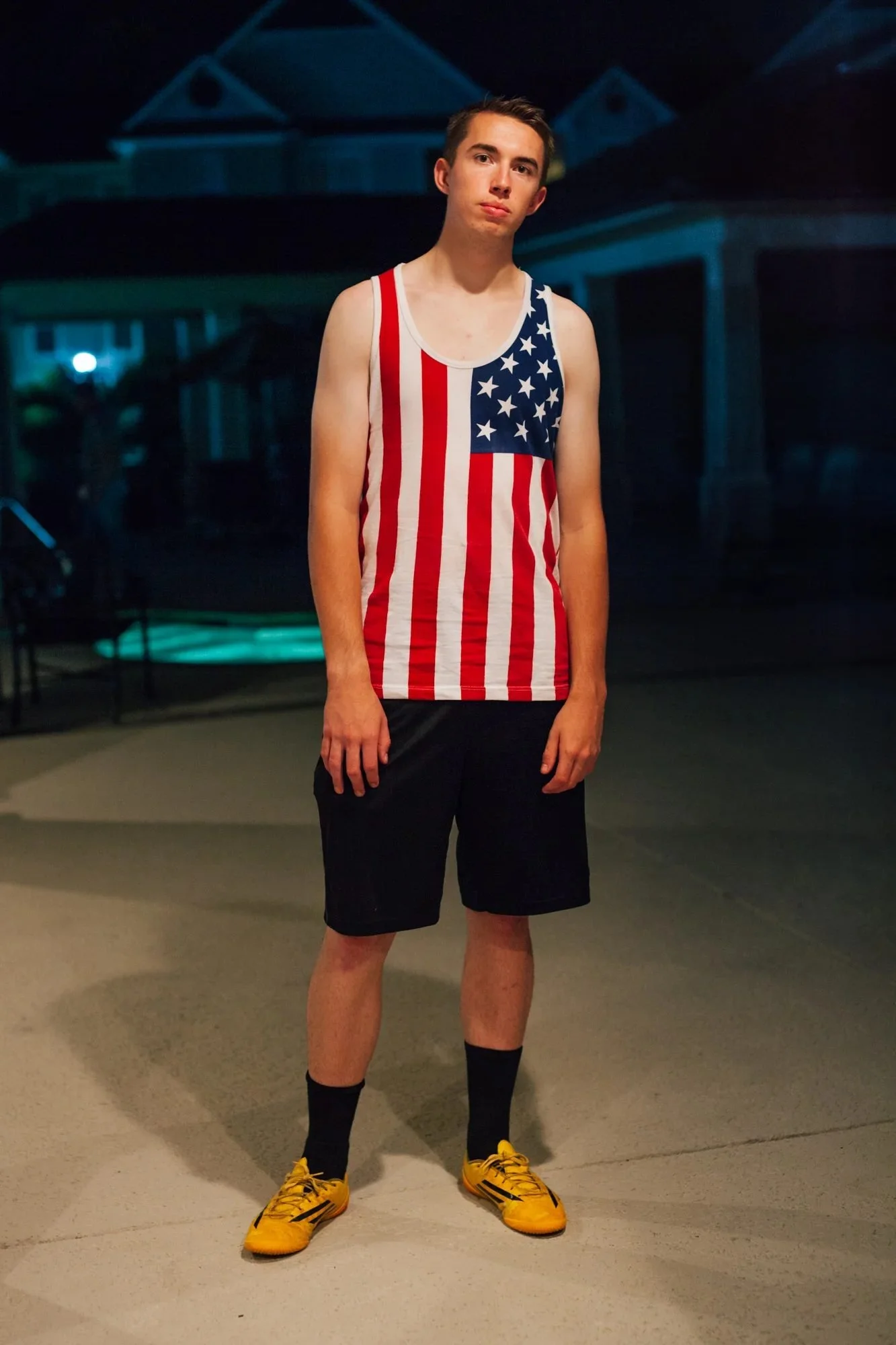
The elders in these portraits came from Utah, California, Oregon, and Idaho. Elder Nabulivula came from a small village in Fiji. In exchange for pizza and rides around town, they let me follow them through Shreveport. I tried to catch them in their off-hours, when they weren’t preaching: showing off for each other, remembering good times, complaining about all the walking, wondering what their families were doing without them.
They stand in front of the camera by choice, so each portrait is something we made together. I hope they let people see past the uniform and picture each of these young men as a family member or a son.